Free Deliveries to all European Countries
5 years warranty
FSC®-certified
Free Deliveries to all European Countries
5 years warranty
FSC®-certified
For Form & Refine, sustainability is part of our foundation.
This core value drives our commitment to continuous improvement.

This page introduces the four impact areas that guide our approach to responsibility and describes our product certifications and the design principles guiding our product development. It also provides a link to our full ESG (Environment, Social and Governance) report.
We approach responsibility across four impact areas. Discover how we work with materials, sourcing, people, and communication.
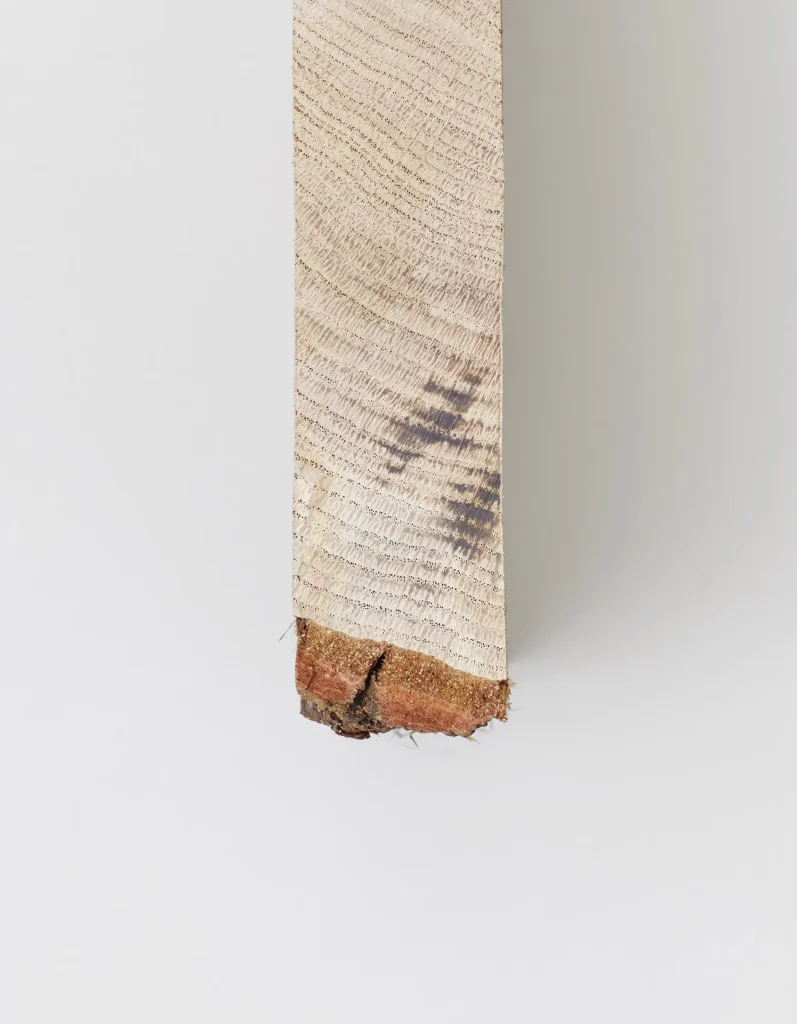
FSC®-certified wood plays a central role in our production. Learn more about how we source and trace our wood.
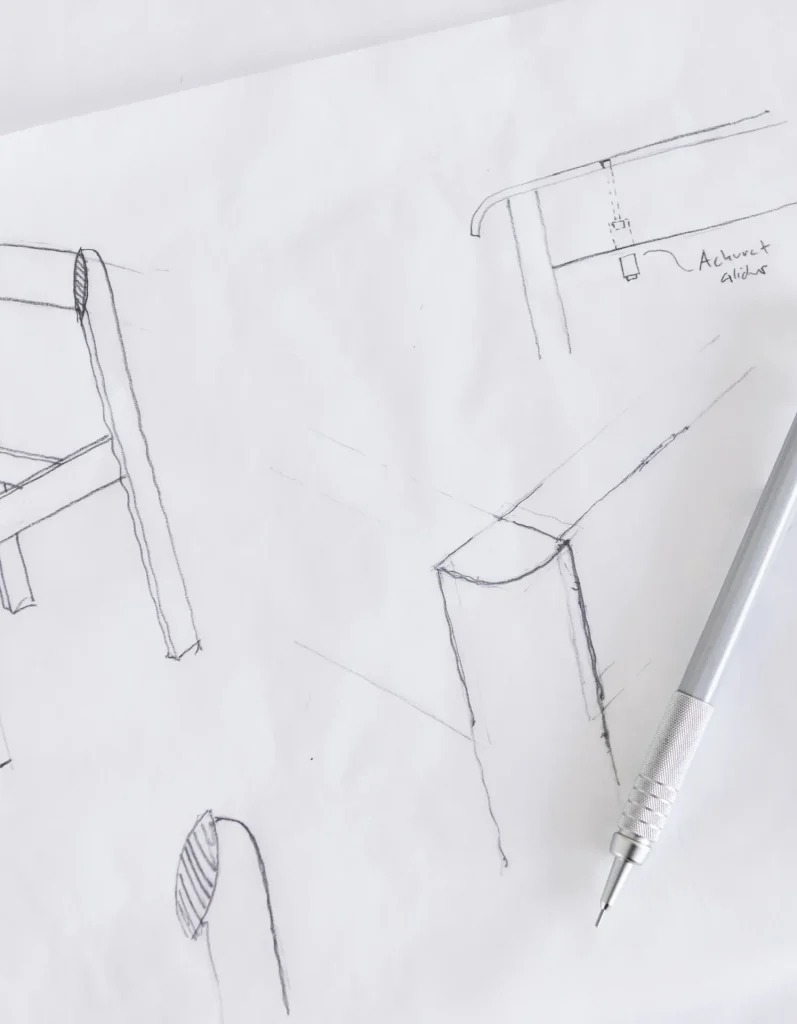
Discover the four principles guiding every product we create.

We work with environmental, social and governance issues. Learn more in our full ESG report.
FOUR IMPACT AREAS
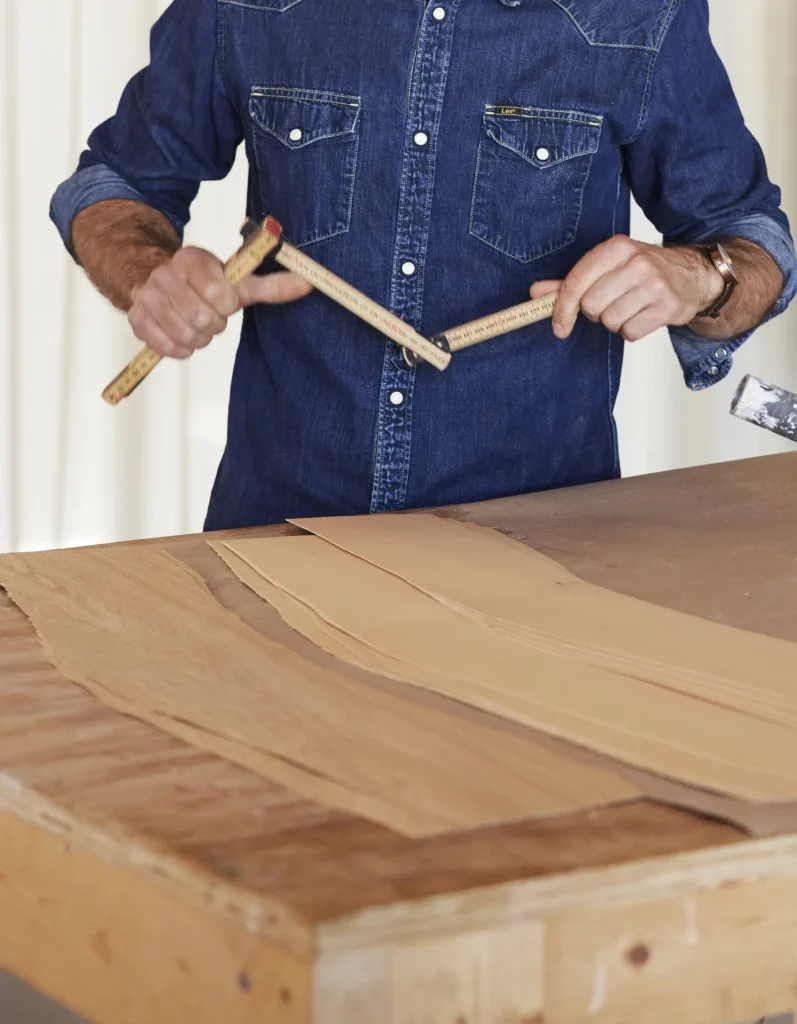
Every product begins with the material: its origin, its properties and how it responds to use over time. Materials are at the heart of our work and form the foundation of how we design and create our products.
We generally aim to use natural materials. We choose materials for their durability, longevity and how they interact with everyday use. Natural materials typically have a lower environmental impact compared with many synthetic alternatives, and we prioritize those that age gracefully, develop a beautiful patina over time and contribute to products that stand the test of time. Examples include wood, stoneware, steel and alpaca.
Wood makes up a large part of our collection. The durability and versatility of this natural material and the way it changes over time make it particularly suited to the long-lasting products we aim to create. When we select other materials, we do so carefully, considering how they will perform and age with the products.
There are certain materials that we deliberately avoid. For example, we do not use aluminium, due to its high energy requirements, and we avoid conventional plastics, opting for recycled alternatives when plastic is necessary.
This thoughtful approach to material use supports the ability to maintain, repair and reuse the products, enabling them to withstand daily use while preserving their quality and longevity.
Explore the materials that bring our products to life.
FOUR IMPACT AREAS
From the first material to the moment a product reaches you, we take the impact of each step into account. This second pillar focuses on responsible partnerships and transparent practices throughout the supply chain. We work with trusted suppliers who share our values, which supports careful handling of products with consideration of both people and the environment. Through carefully chosen packaging and mindful shipping, we aim to minimise our footprint and support value beyond the product itself.
CO₂ Footprint
This page introduces the four impact areas that guide our approach to responsibility and describes our product certifications and the design principles guiding our product development. It also provides a link to our full ESG (Environment, Social and Governance) report.
Packaging & Shipping
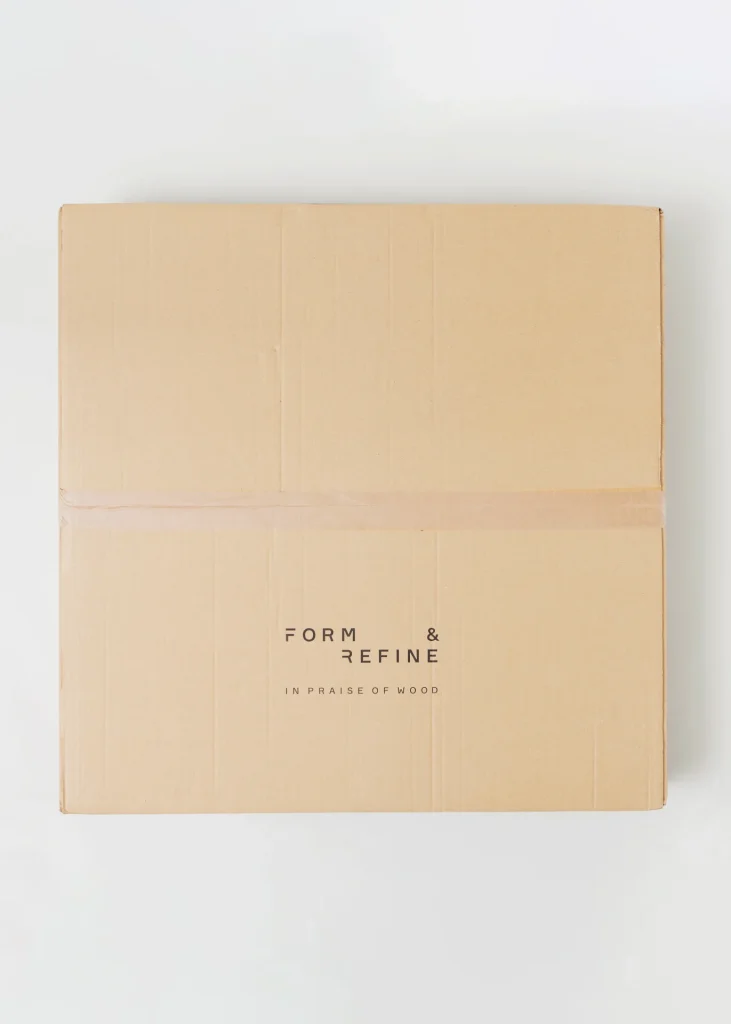
We do our best to make our packaging as sustainable as possible. We use recycled cardboard, paper tape and honeycomb cardboard for protection whenever we can. However, paper and reused materials are not always strong enough to protect furniture safely during transport. For that reason, we sometimes need to use foam or other plastic-based materials, although we keep this to a minimum and only use it where more sustainable alternatives cannot provide sufficient protection.
We choose local packaging suppliers whenever possible to reduce transport distances and environmental impact. We know that there is still room for improvement and are continuously testing new materials and methods to reduce our impact further.
To guide our ongoing efforts, we have formulated the following goals for our packaging: Reduce the use of plastics and explore sustainable alternatives. Increase the use of recycled and upcycled materials.
FOUR IMPACT AREAS
Our commitment to sustainability extends beyond materials and processes and also includes people and partnerships. This pillar reflects our dedication to fostering ethical, inclusive and socially responsible practices, both within our organization and across our value chain.
We work with trusted partners who share our values and craftsmanship standards. From sourcing alpaca wool in the Andes region of Bolivia to producing finished items in Europe, every partnership is chosen with care.
Social Responsibility
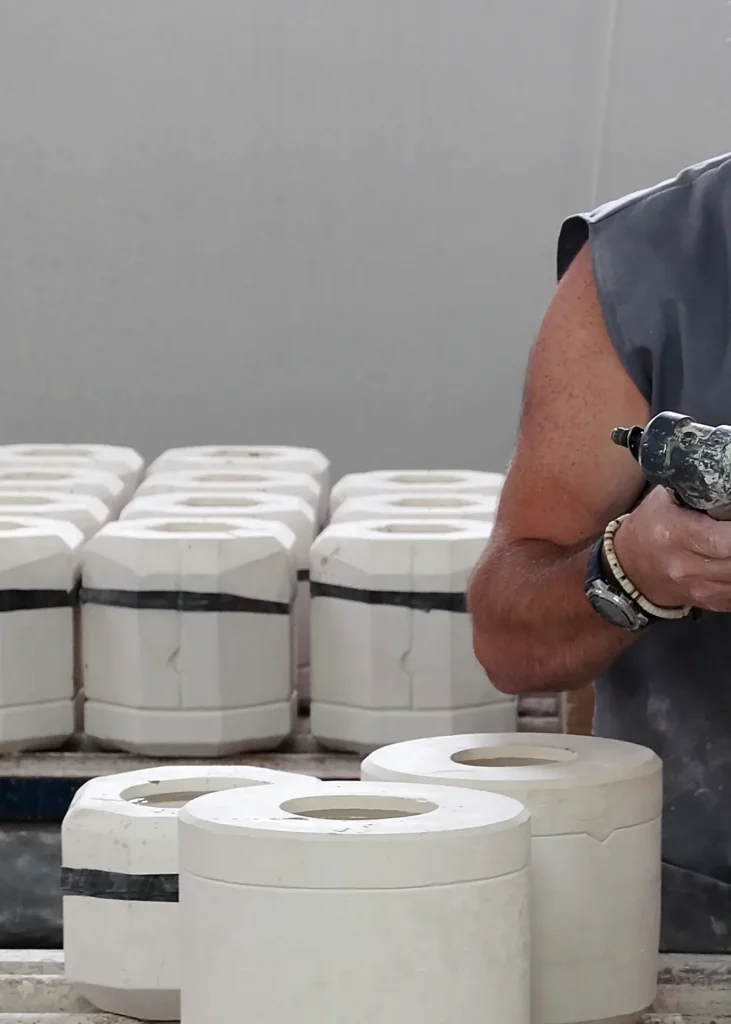
Social impact is a key aspect of our sustainability approach. We prioritize practices that respect human rights, preserve traditional craftsmanship and support small-scale, family-owned businesses.
By engaging with cooperatives and social enterprises, we help strengthen local economies, protect indigenous rights and ensure fair and responsible working conditions across our supply chain. Through these collaborations, we strive to generate lasting social value by recognizing that sustainability involves both people and materials.

Our alpaca wool is supplied by local farmers in Bolivia, preserving traditional textile practices while supporting regional livelihoods.
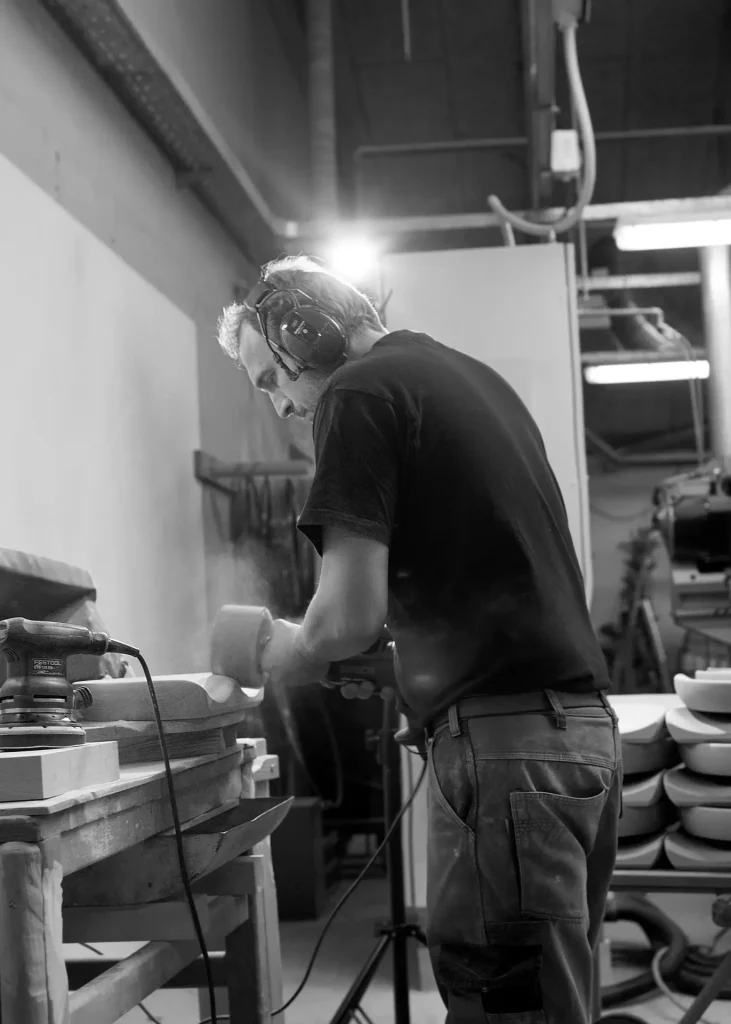
Shoemaker Chairs™ are crafted in Denmark by a family-run woodturning business with decades of experience.
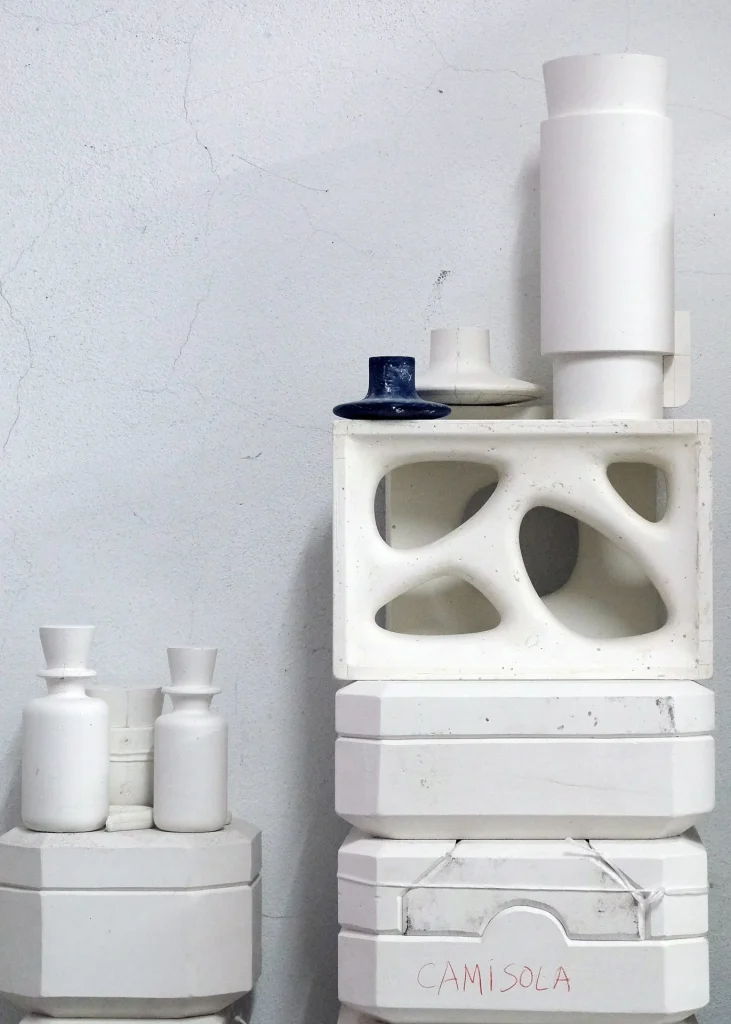
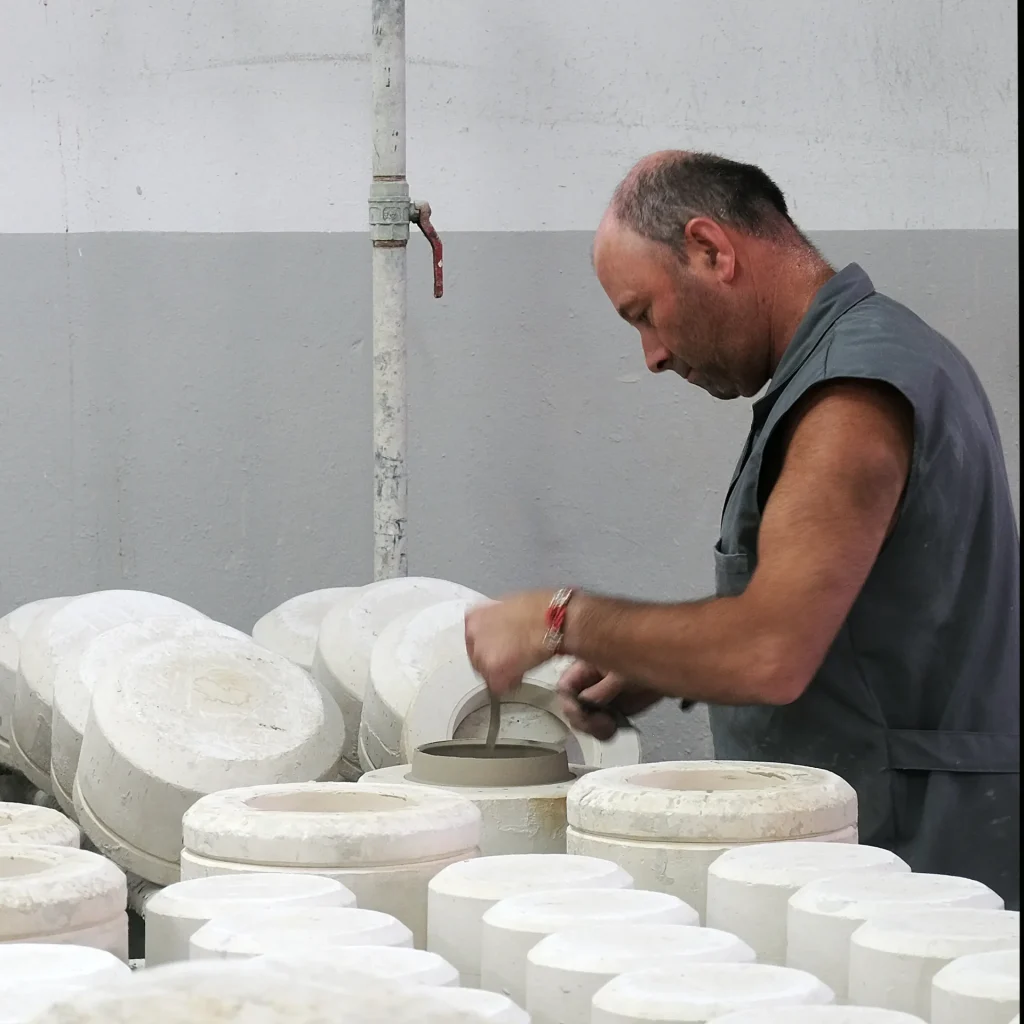
Ceramic products are made in Portugal in a pottery with roots dating back to the 19th century.

Our handcrafted glassware comes from one of the last family-owned factories in Portugal using traditional mouth-blowing techniques, helping preserve artisanal knowledge.
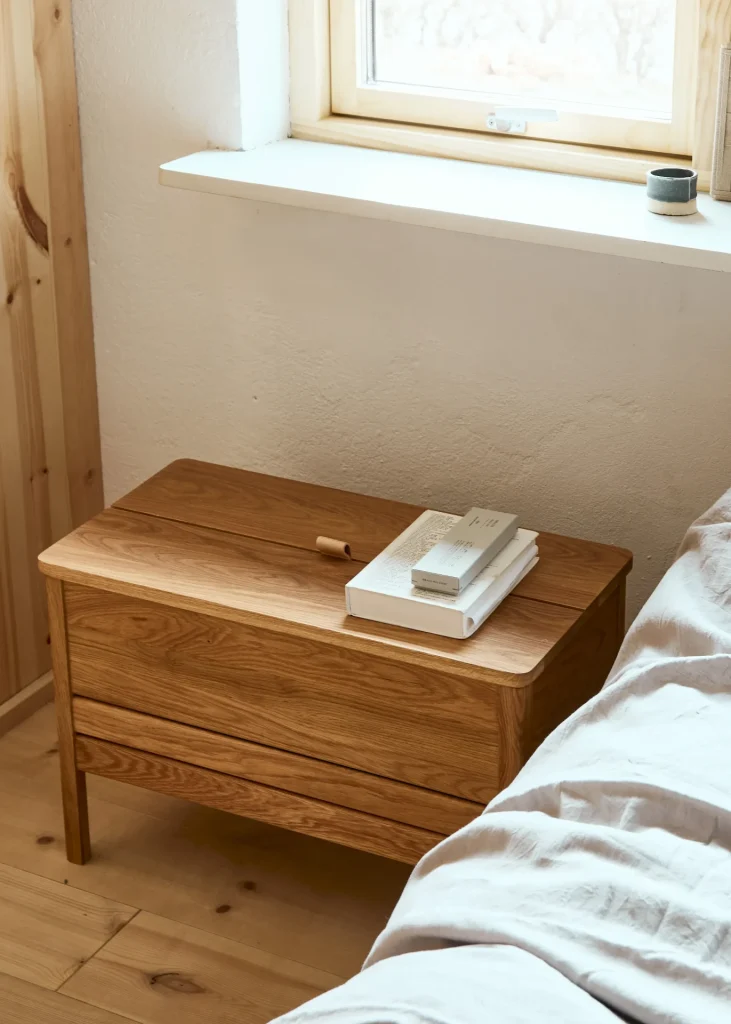
Our A Line Collection is produced in collaboration with a family-owned joinery workshop in Jajce, Bosnia-Herzegovina.
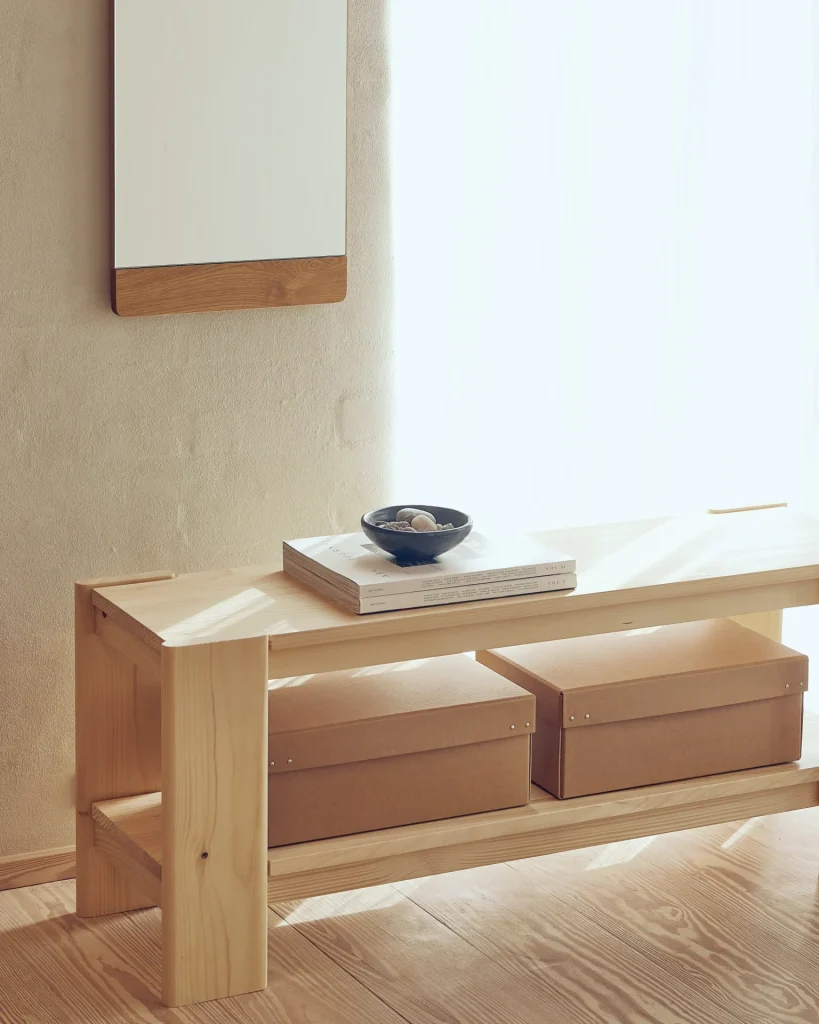
We collaborate with social enterprises such as HKI (Hans Knudsen Institute) in Copenhagen, supporting people who face challenges entering the labour market.
FOUR IMPACT AREAS
Our commitment to sustainability further extends to how we connect with our customers. This impact area reflects our dedication to clear communication, transparent product choices and fostering long-term relationships built on trust and responsible design.
Durability
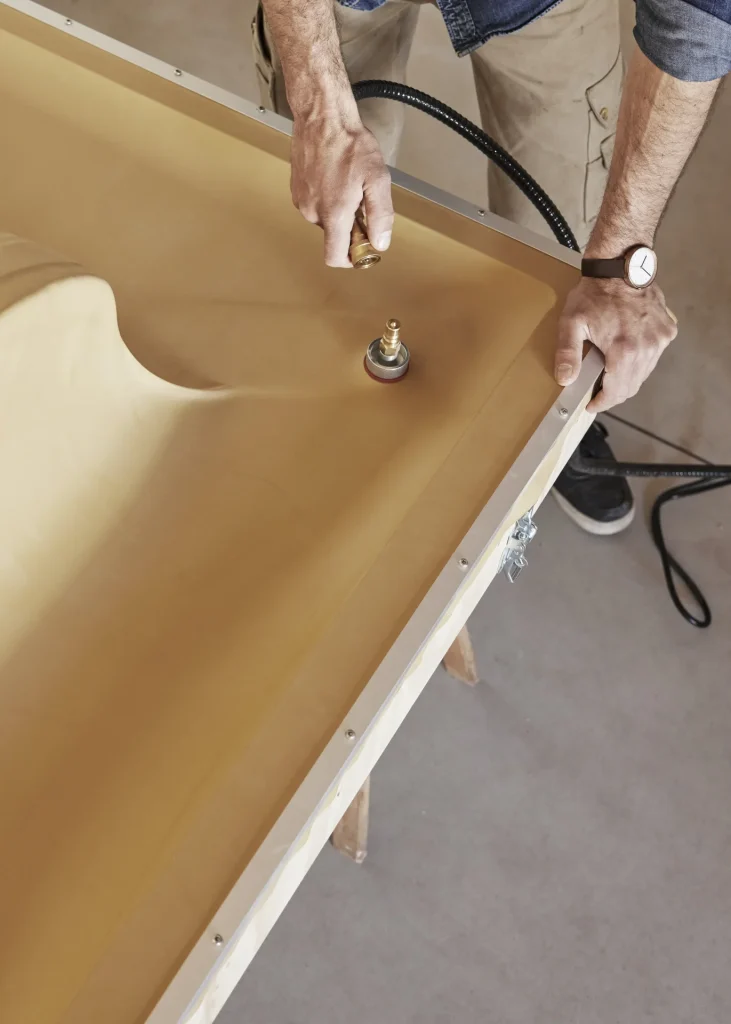
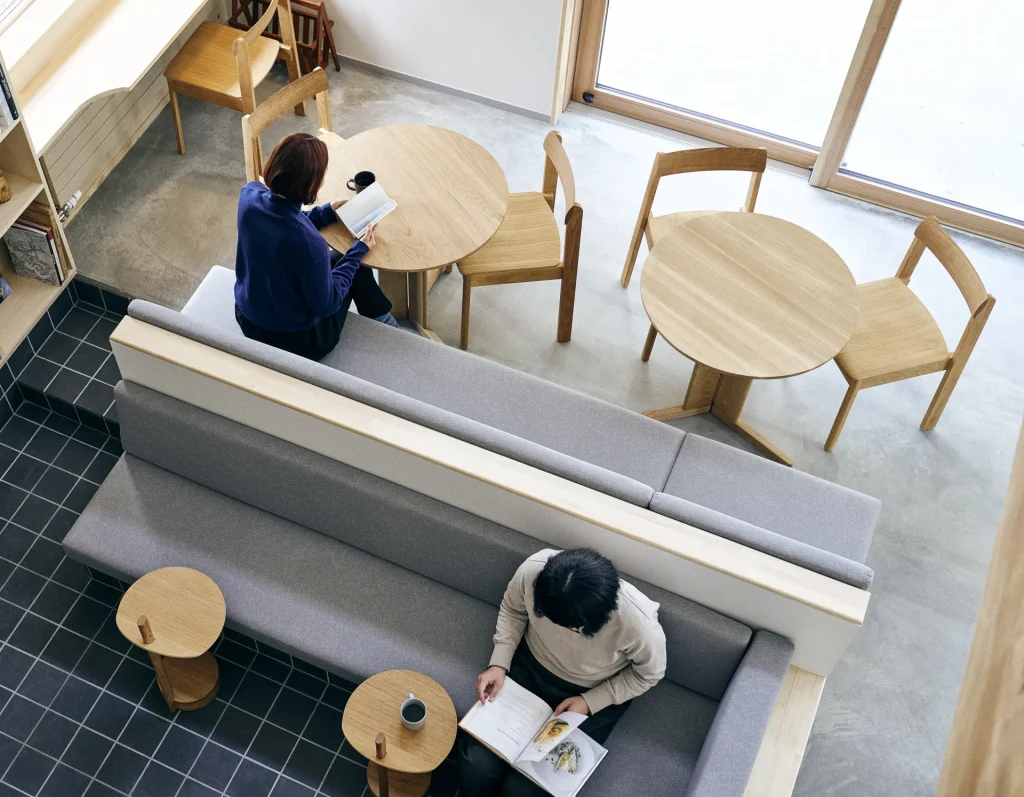
Our products are created to last, based on ecological quality and timeless design. We support slow living by producing small, carefully considered batches each year, rather than chasing quantity or frequent new launches. This approach helps counteract the throwaway culture and ensures that our natural materials and designs endure over time.
Our products are designed to be appreciated for many years, potentially across generations. We aim to create items that become lasting design classics. We provide guidance on care and maintenance, supporting responsible use and helping customers make informed decisions about our products.
Guarantee
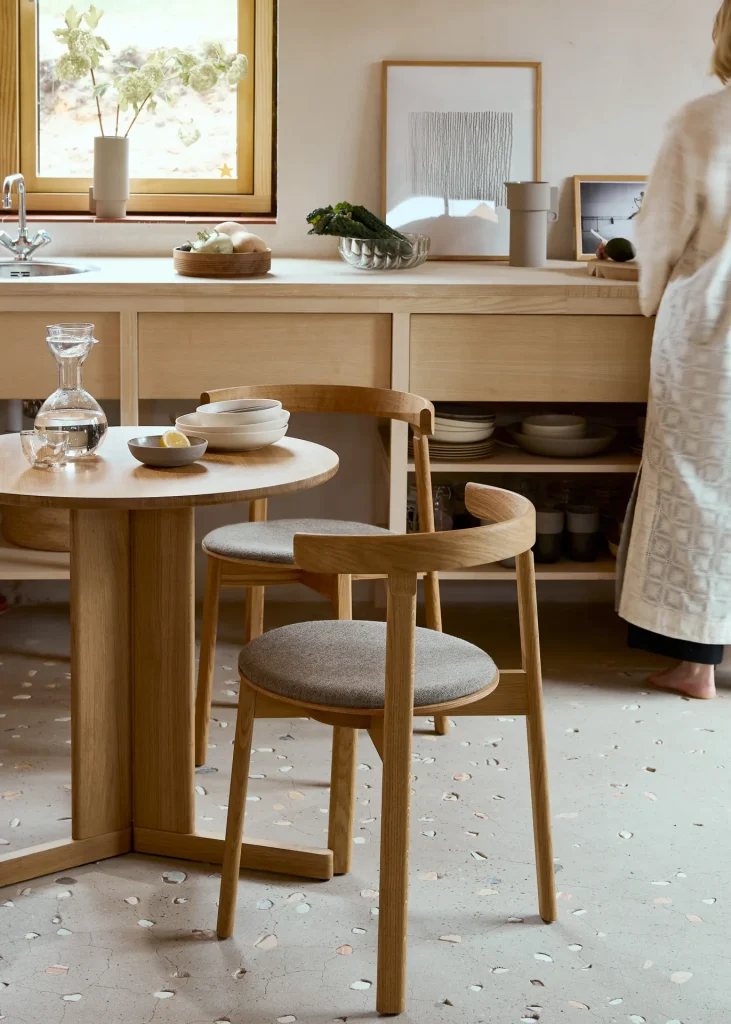
To support long-term use, we offer a five-year guarantee across our entire collection in reflection of our commitment to quality and responsible business practices. Read more about our guarantee under Warranty LINK.
Economic and Social Value
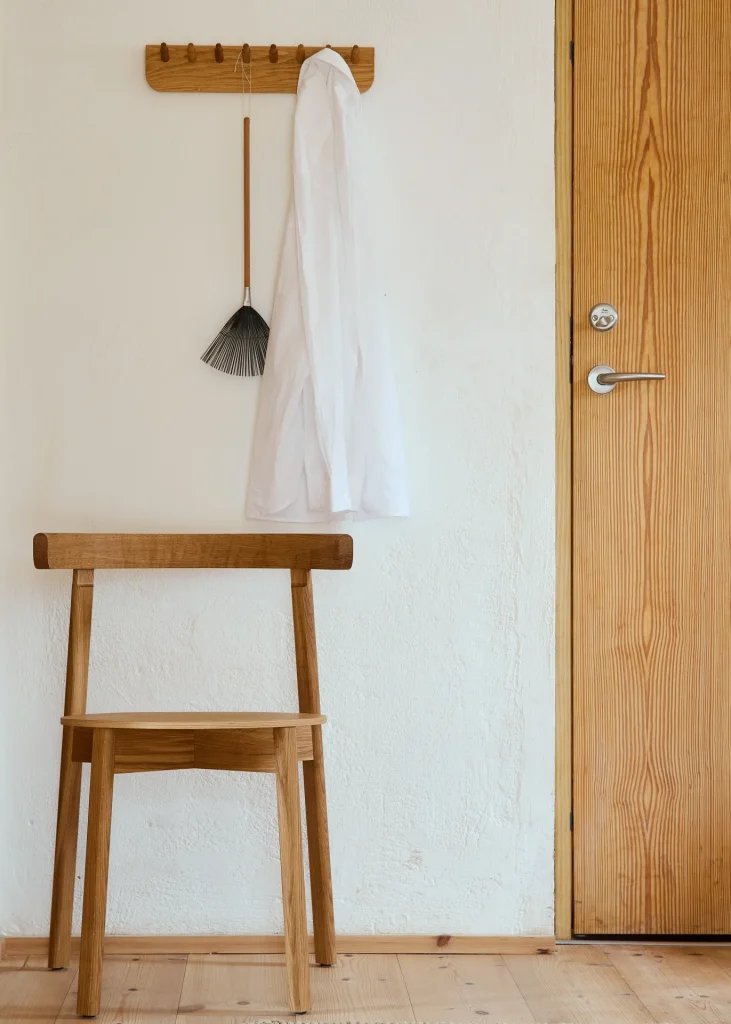
We strive to build a profitable and sustainable business while minimising our environmental impact. We also aim to generate social value by supporting fair working conditions, local craftsmanship and responsible sourcing throughout our supply chain.
Through our brand, we try to communicate the importance of conscious consumption and encourage customers to choose high-quality alternatives at competitive prices.
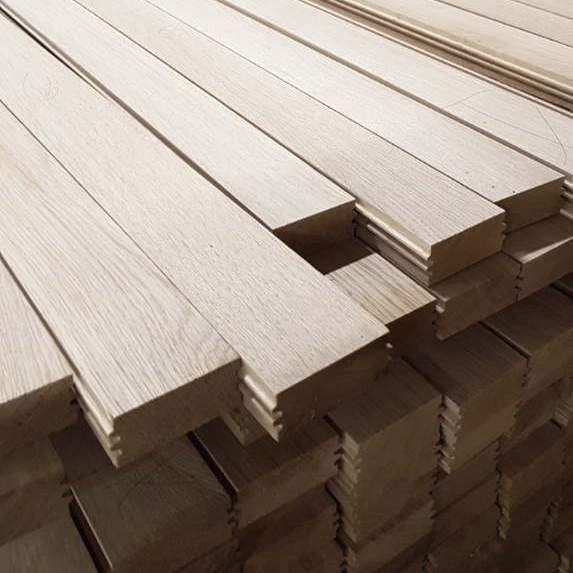
As a design company that relies on wood as a primary material, we base a large share of our production on FSC®-certified wood. We work closely with our suppliers to ensure traceable sourcing that meets both our internal standards and the requirements of companies in our sector, while keeping the quality and durability of our furniture a priority.
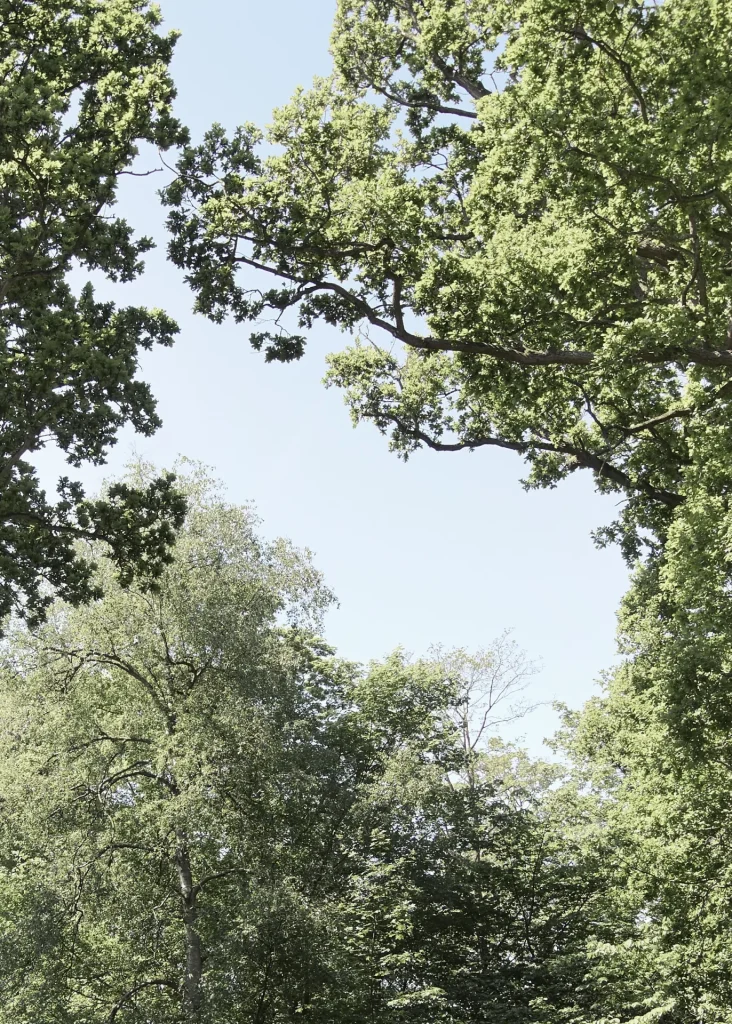
At Form & Refine, wood is our most important material, valued for its strength, warmth and longevity. We recognize the responsibility that comes with using a natural resource and work to ensure that our sourcing supports sustainable forest management and long-term availability.
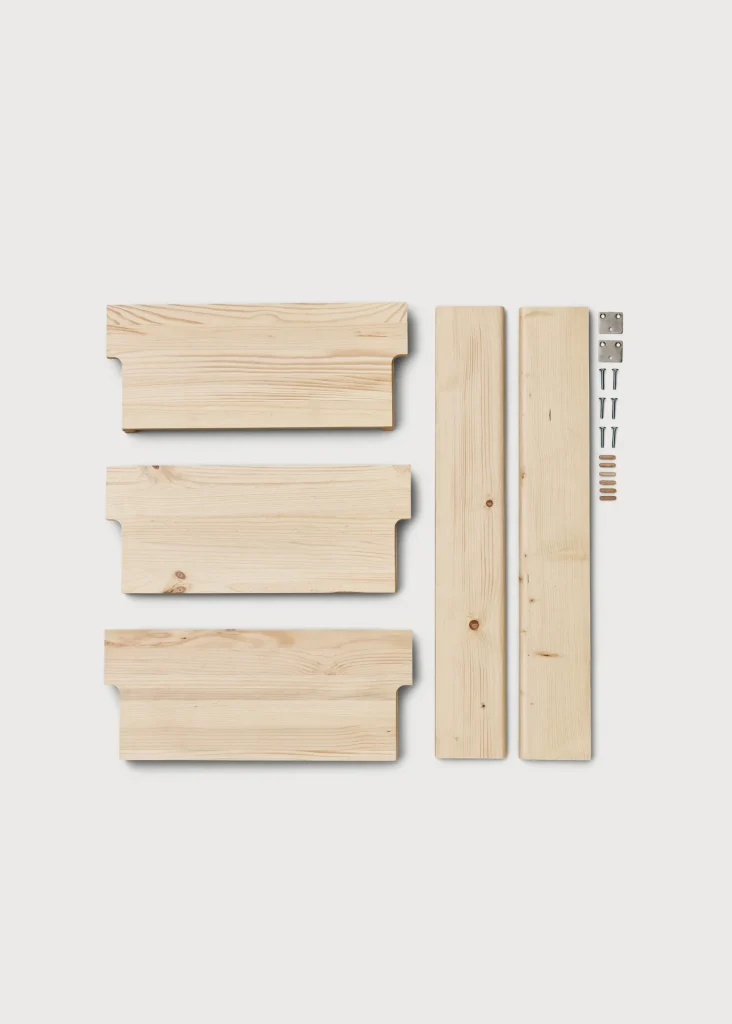
We use FSC®-certified wood for many of our products in oak, pine and beech, and our goal is that all wood used in our production will be FSC®-certified. Form & Refine is FSC®-certified under the number SCS-COC-005763-DX (FSC® C132484). Ask for our FSC®-certified products. The FSC® certification provides a framework for traceability and responsible forest management in accordance with international standards, helping us maintain high standards across our supply chain and ensuring that the wood can be traced back to responsibly managed forests.
The introduction of the EU Deforestation Regulation (EUDR) marks an important shift from voluntary responsibility to mandatory requirement. We are working closely with our suppliers to prepare for this regulation to ensure that we can provide the required data to document the origin of the wood used in our products.
Wood remains at the core of our design philosophy as a renewable, durable and tactile material that connects our products to nature while reminding us of the need to preserve it for future generations.
We approach design with care and attention.
We take the time to be thorough and make well-considered decisions. Sometimes, this can make the process take longer, but it ensures that we can stand by the result. In our work, we focus on four design principles that guide how we evaluate and develop each product.
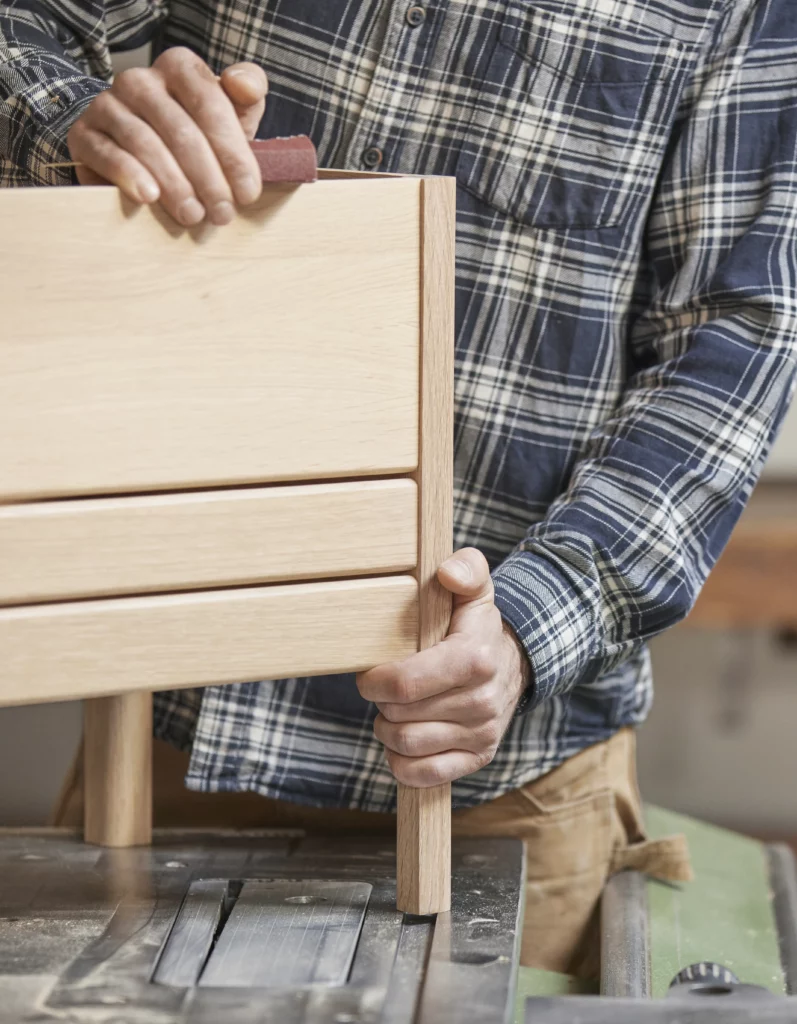
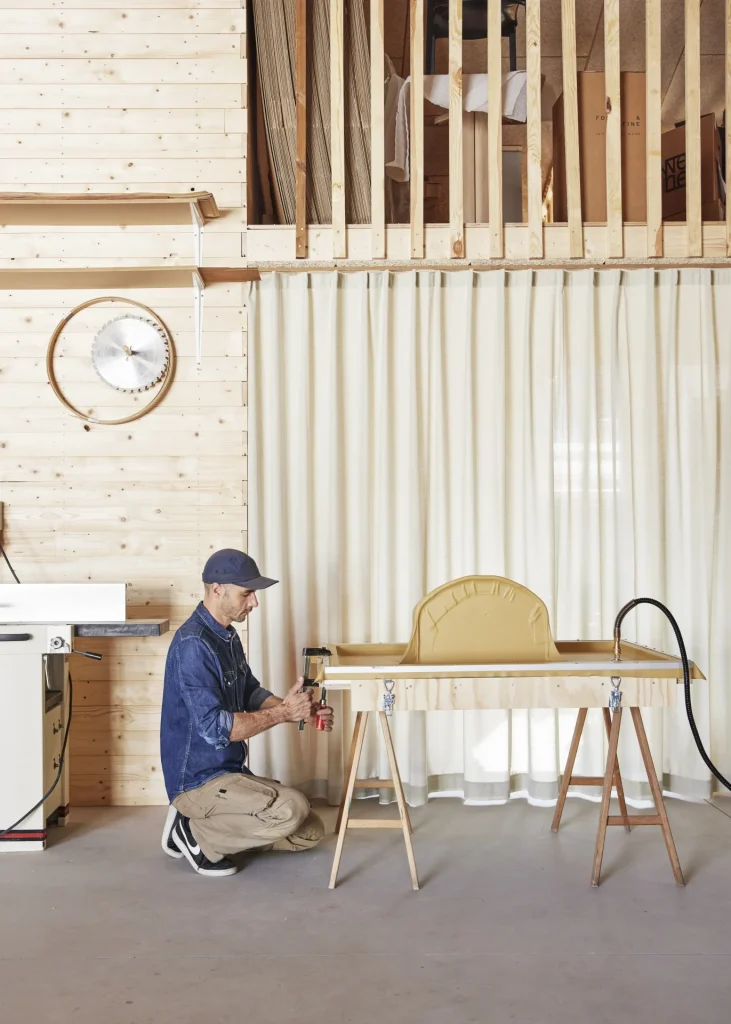
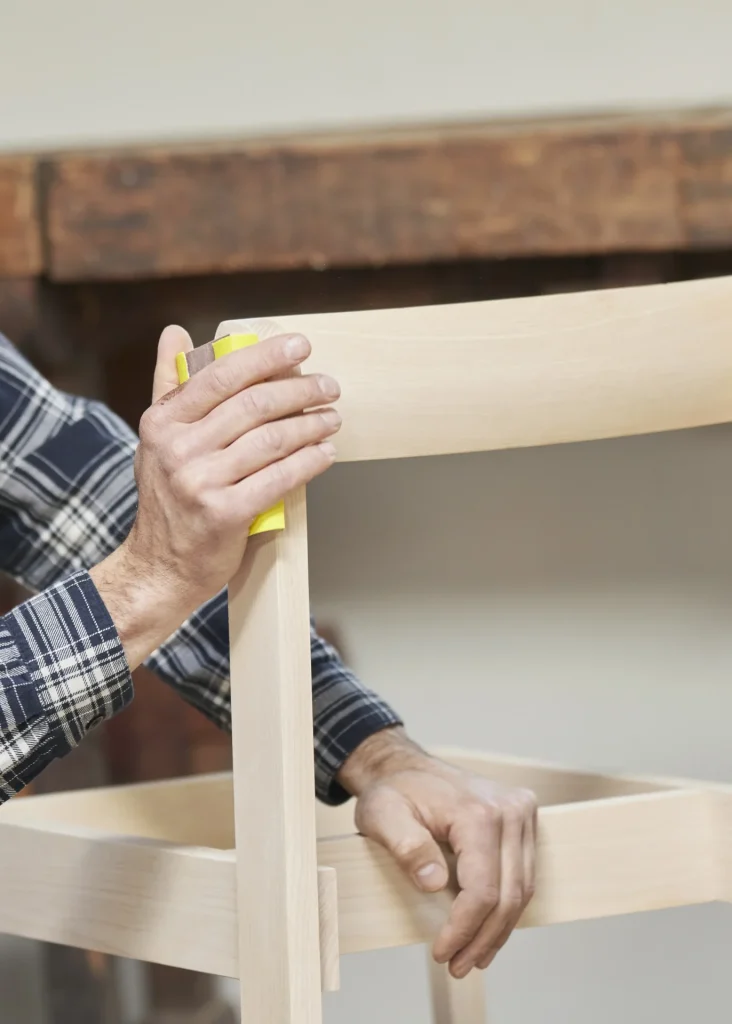
We mainly design in-house, and our workshop, which is situated alongside our office and product development team, is a natural part of the design process. It allows us to test, trial and refine new designs through prototyping before our skilled manufacturers take over, ensuring that every product meets our standards for quality and longevity.
Thank you for taking the time to explore our approach to responsibility. At Form & Refine, responsibility is an ongoing commitment. Our work with materials, partnerships, design and transparency reflects a long-term approach rooted in quality and respect for people and nature. We know that sustainability is a continuous journey, and we remain dedicated to improving, refining and challenging our approach every step of the way. By choosing products that last, made with care and intention, we hope to inspire conscious decisions and contribute to a more responsible future.